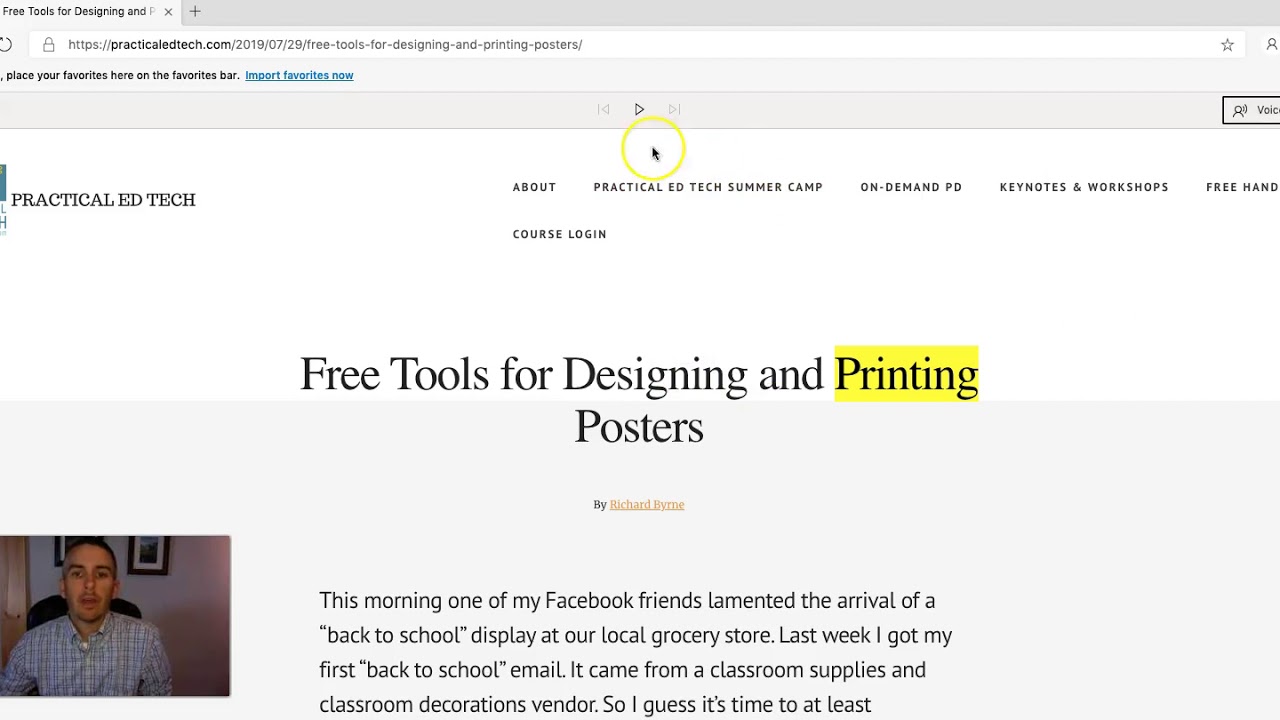
Restore Edge Read Aloud: Solutions For A Broken Play Button
There's nothing quite like settling down with a fresh cup of coffee, opening Microsoft Edge, and hitting the "Read Aloud" button, ready to multitask while the browser narrates an article or document. But then, disappointment strikes. You click the play button, and nothing happens. No soothing voice, no progress bar, just silence. You try again. Still nothing. The frustration of a broken "play not read" feature can quickly turn a productive moment into a perplexing technical challenge.
You're not alone in this digital dilemma. This specific issue, where the Microsoft Edge Read Aloud play button is unresponsive, is a common grievance among users who rely on this valuable accessibility and productivity tool. The good news is that a range of effective solutions exists to tackle this problem, from simple glitches to more complex system conflicts. In this comprehensive guide, we'll walk you through the most efficient troubleshooting steps in an easy-to-understand format, devoid of technical jargon, helping you restore the functionality of your Edge Read Aloud feature. If you've been searching for answers to Why Your Microsoft Edge Read Aloud Play Button Fails, you've come to the right place.
Understanding Why Your Play Button Fails to Read
Before diving into solutions, it's beneficial to understand the potential culprits behind an unresponsive Edge Read Aloud play button. Identifying the root cause can often streamline the troubleshooting process, allowing you to target the most likely fix. Here are some common reasons why your "play not read" issue might be occurring:
- Temporary Glitches: Sometimes, software, including browsers, can encounter minor, transient bugs that interfere with specific functions. A quick reset can often clear these up.
- Outdated Browser Version: Running an older version of Microsoft Edge can lead to unpredictable behavior, including issues with features like Read Aloud. Updates often contain crucial bug fixes and performance improvements.
- Conflicting Browser Extensions: Certain browser extensions, especially those that interact with page content, privacy, or media playback, can inadvertently interfere with Edge's built-in Read Aloud functionality.
- Corrupted Cache or Cookies: Over time, accumulated browsing data, including cached files and cookies, can become corrupted or conflict with new processes, leading to unexpected errors.
- System Configuration Conflicts: The "Read Aloud" feature relies on Windows' speech synthesis capabilities. Misconfigured Windows speech settings, audio drivers, or even privacy settings can prevent it from working correctly.
- Corrupted Edge User Profile: Your individual user profile in Edge stores settings, extensions, history, and more. If this profile becomes corrupted, it can affect various browser functions, including Read Aloud.
- Antivirus or Firewall Interference: In rare cases, overly aggressive security software might mistakenly block certain browser processes, including those related to speech synthesis.
Immediate Fixes: Your First Line of Defense
If you're short on time and need to quickly experiment with the most common and effective solutions, start here. These steps often resolve the "play not read" problem without needing to delve into deeper system configurations. For a more detailed look at these initial steps, you might find Fix Edge Read Aloud Play Button Not Working helpful.
1. Restart Microsoft Edge Completely
It might sound overly simplistic, but a full browser restart is often a magical cure for many minor software glitches. Ensure you're not just closing the window, but truly shutting down all Edge processes.
- Close all open Microsoft Edge windows.
- For a more thorough shutdown, open your **Task Manager** (Ctrl+Shift+Esc), locate any "Microsoft Edge" processes under the "Processes" tab, select them, and click "End task."
- Reopen Edge and try using "Read Aloud" again.
If this quick reboot doesn't resolve the "play not read" issue, don't worry. We have more comprehensive methods to explore.
2. Ensure Microsoft Edge is Up-to-Date
Running an outdated version of Edge is a frequent cause of unexpected bugs. Microsoft regularly releases updates that include crucial bug fixes and performance enhancements.
- Open **Microsoft Edge**.
- Click the **three-dot menu** (Settings and more) in the top-right corner of the browser window.
- Navigate to **Help and feedback > About Microsoft Edge**.
- Edge will automatically check for and download any available updates. You may need to restart the browser after the update is installed.
3. Disable Browser Extensions
Extensions, while useful, can sometimes conflict with native browser functionalities. Troubleshooting involves disabling them to see if they are the cause.
- Open **Microsoft Edge**.
- Click the **three-dot menu** and go to **Extensions > Manage extensions**.
- Toggle off each extension one by one. After disabling an extension, test the Read Aloud feature.
- If Read Aloud starts working after disabling a specific extension, you've found the culprit. You can then try updating that extension, reinstalling it, or finding an alternative.
4. Clear Your Browser's Cache and Cookies
Corrupted or outdated cached data can interfere with how Edge processes and displays web content, potentially affecting features like Read Aloud.
- Open **Microsoft Edge**.
- Click the **three-dot menu** and navigate to **Settings > Privacy, search, and services**.
- Under "Clear browsing data," click **Choose what to clear**.
- Set the "Time range" to "All time."
- Ensure "Cached images and files" and "Cookies and other site data" are checked. You may also check "Browsing history" if you wish.
- Click **Clear now**.
- Restart Edge and test Read Aloud.
5. Restart Your PC
Just like restarting the browser, a full system reboot can resolve underlying operating system issues, clear temporary files, and refresh all services that Edge relies on. This simple step often quells problems that seem more complex.
Advanced Troubleshooting: Delving Deeper into "Play Not Read"
If the quick fixes haven't resolved your "play not read" issue, it's time to explore more in-depth solutions that tackle potential system or browser configuration conflicts.
1. Check Windows Speech Settings and Audio Output
The Read Aloud feature relies on Windows' text-to-speech capabilities. Ensuring these settings are correct is crucial.
- Go to **Windows Settings > Time & Language > Speech**.
- Under "Voice," ensure that a default voice is selected and that the "Preview voice" button works. If it doesn't, there might be a system-wide speech issue.
- Also, verify your system's default audio output device. Right-click the speaker icon in your taskbar, select "Open Sound settings," and ensure your preferred playback device is set as default and functioning correctly.
- You might also check Windows privacy settings. Go to **Settings > Privacy & security > Speech** and ensure "Online speech recognition" is toggled on if you use cloud-based voices.
2. Repair or Reset Microsoft Edge
Windows offers built-in tools to repair or reset applications, which can fix corrupted program files without reinstalling.
- Go to **Windows Settings > Apps > Installed apps** (or "Apps & features" on older Windows versions).
- Scroll down and find "Microsoft Edge."
- Click the **three-dot menu** next to it (or select it and click "Advanced options").
- You'll see options for **"Repair"** and **"Reset."**
- Repair: This attempts to fix corrupted files without affecting your data (favorites, history, settings). Try this first.
- Reset: This will reinstall the browser to its default settings, effectively clearing all your browsing data, history, and extensions. Only use this if Repair doesn't work, as it's a more drastic step.
- After performing either action, restart your PC and test Read Aloud.
3. Create a New Edge Profile
If your existing Edge user profile is corrupted, creating a new one can help determine if the problem is specific to your profile or the browser installation itself.
- Open **Microsoft Edge**.
- Click on your **profile picture** in the top-right corner (next to the three-dot menu).
- Select **"Add profile"** and then **"Add."**
- Follow the prompts to set up a new profile (you don't need to sign in initially).
- Once the new profile is active, try using Read Aloud on a webpage. If it works, your old profile is likely corrupted. You can then migrate important data to the new profile or troubleshoot your old one further.
4. Run System File Checker (SFC) and DISM
Sometimes, the issue isn't with Edge itself but with underlying corrupted Windows system files. These command-line tools can help identify and repair them.
- Search for "cmd" in the Windows search bar, right-click "Command Prompt," and select "Run as administrator."
- In the Command Prompt window, type `sfc /scannow` and press Enter. Let the scan complete.
- After SFC, type `DISM /Online /Cleanup-Image /RestoreHealth` and press Enter. This tool repairs the Windows image.
- Restart your computer after both scans are complete and retest Edge Read Aloud.
5. Reinstall Microsoft Edge (Last Resort)
If all else fails, a clean reinstallation of Microsoft Edge can often resolve persistent issues. While straightforward, this will remove all your data, so ensure you have backups or sync your settings if possible.
- First, try uninstalling Edge via **Windows Settings > Apps > Installed apps**, finding Microsoft Edge, and clicking "Uninstall." (Note: On some Windows versions, Edge is a core component and may not be uninstallable directly. In such cases, the "Reset" option mentioned above is your closest alternative to a fresh start).
- After uninstalling (if possible), download the latest version of Microsoft Edge from the official Microsoft website and install it.
Proactive Maintenance for a Smooth Read Aloud Experience
To minimize the chances of your "play not read" problem recurring, consider adopting these proactive habits:
- Keep Edge and Windows Updated: Regularly check for and install updates for both your browser and operating system.
- Manage Extensions Wisely: Only install extensions from trusted sources and periodically review them. Uninstall any you no longer use or that seem suspicious.
- Periodic Cache Clearing: Make it a habit to clear your browser's cache and cookies every few months.
- Regular Reboots: A full PC restart once a day or every few days can prevent many minor glitches from accumulating.
Conclusion
Encountering a non-functional Read Aloud play button in Microsoft Edge can be incredibly frustrating, especially when you rely on its convenience for accessibility or productivity. However, as this guide demonstrates, a wide array of solutions exists to tackle the "play not read" problem, ranging from simple restarts to more in-depth system repairs. By systematically working through these troubleshooting steps, you should be able to identify and resolve the underlying issue, restoring the invaluable functionality of Edge's Read Aloud feature. Don't let a technical hiccup prevent you from enjoying a narrated browsing experience; reclaim the power of voice with these effective fixes.